

Historic and significant homes
A house with a long history deserves a lasting record.
A historic home carries more than its systems and equipment. Original materials, past restorations, approvals, and the reasoning behind each decision all shape what the next repair should be. Wrenmont keeps that knowledge with the house, so it isn't lost each time the people caring for it change.
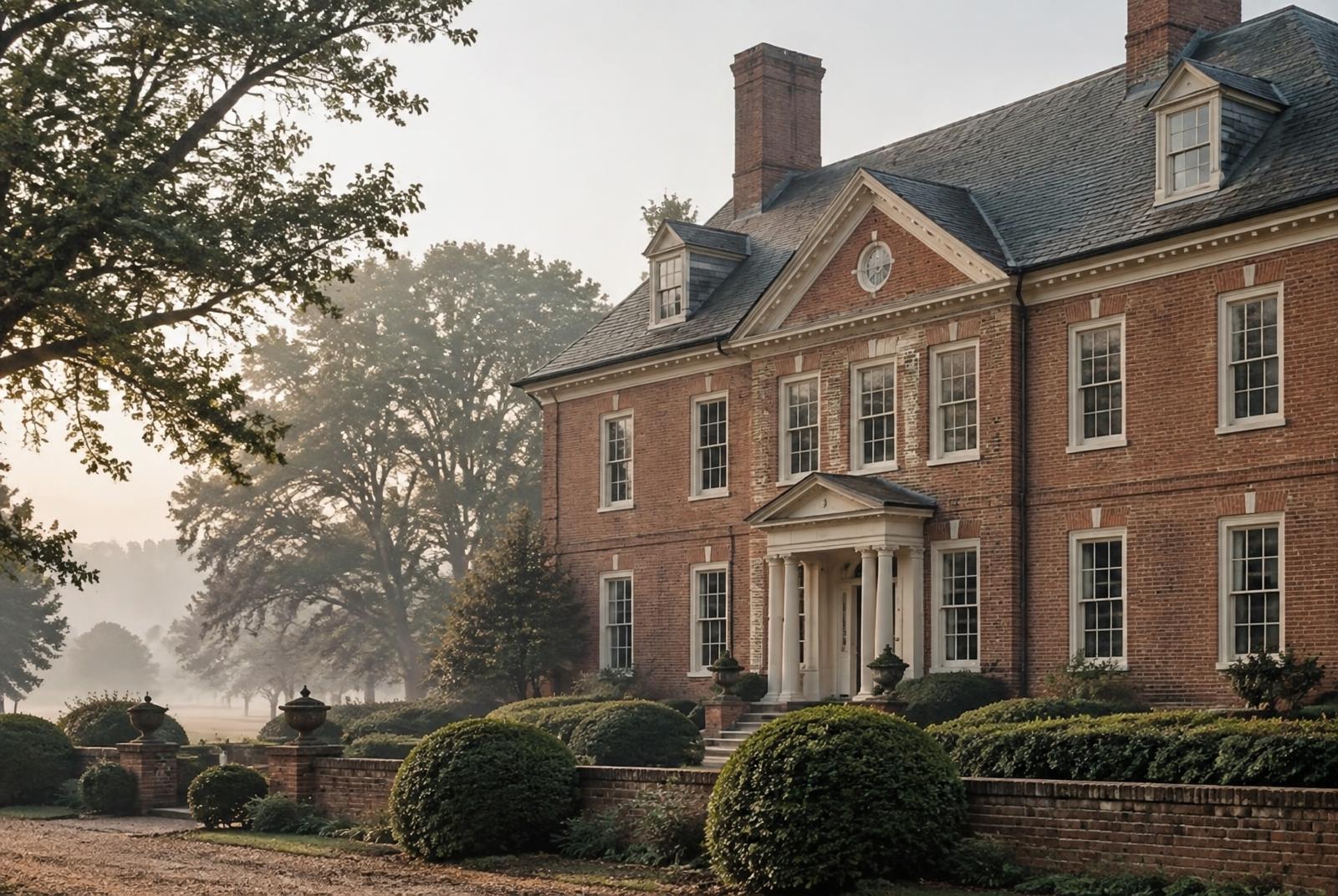
What Wrenmont preserves
The full story of the house, in one place.
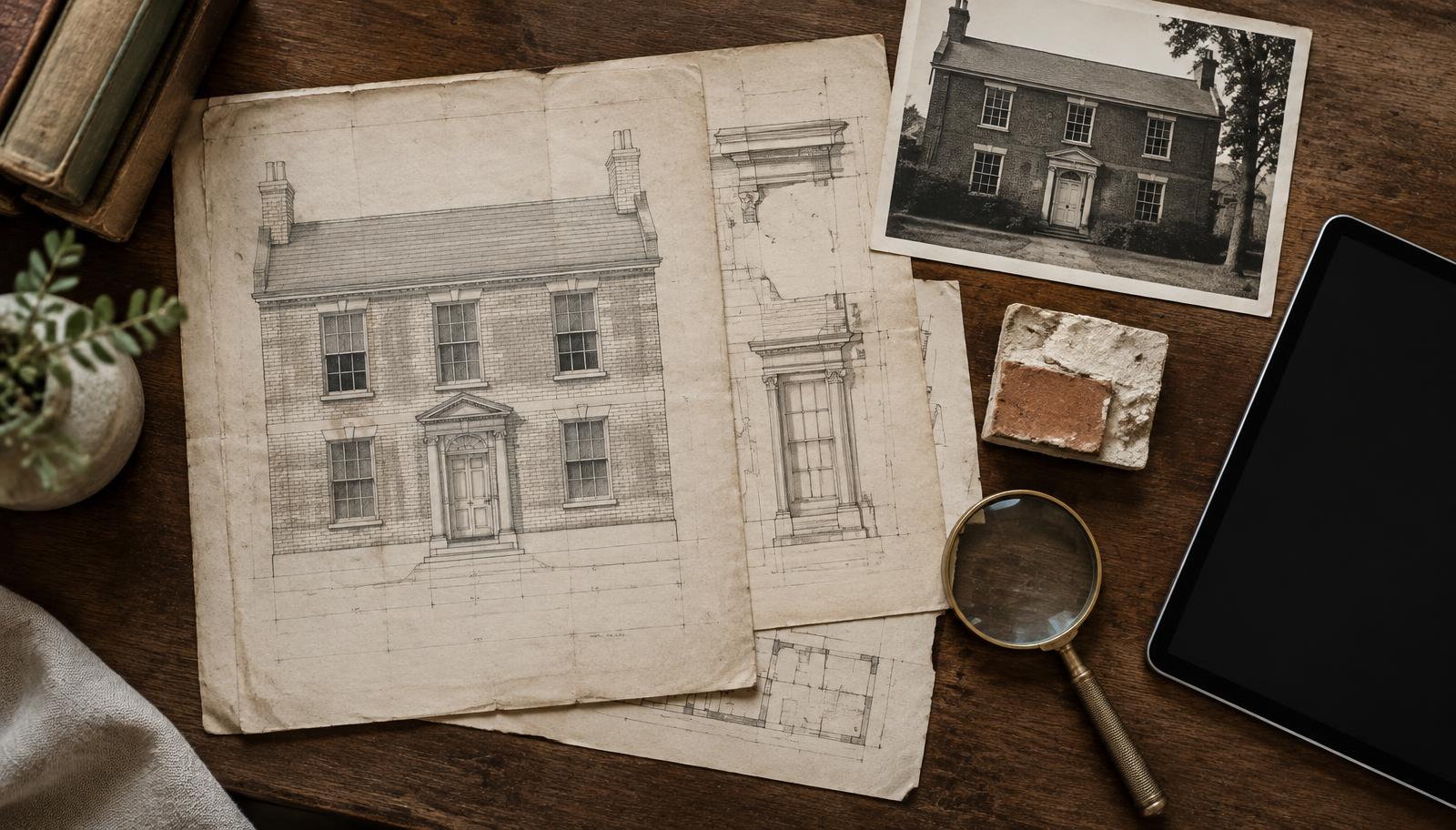
- Materials and methods
- Original and replacement materials, including mortar, plaster, millwork, glass, and roofing, with suppliers and specifications.
- Restoration history
- Every repair and restoration, recording who did the work, the method used, and the reasoning behind it.
- Specialist craftspeople
- Masons, carpenters, conservators, and other specialists, with the history of their work on the property.
- Approvals and permits
- Permits, review-board approvals, and easement documents, linked to the work they cover.
- Research and documentation
- Surveys, drawings, historic photographs, and research kept with the house rather than in someone's files.
- Continuity
- A record that passes intact to the next owner, manager, or heir.
Why it matters
The right repair depends on what came before.
On a historic property, the wrong mortar, the wrong paint, or an undocumented change can do lasting harm. The people who know which materials are original and what was done, by whom, and why are often a retired contractor, a former manager, or a file in someone's office. Wrenmont brings that knowledge into one record that stays with the property.
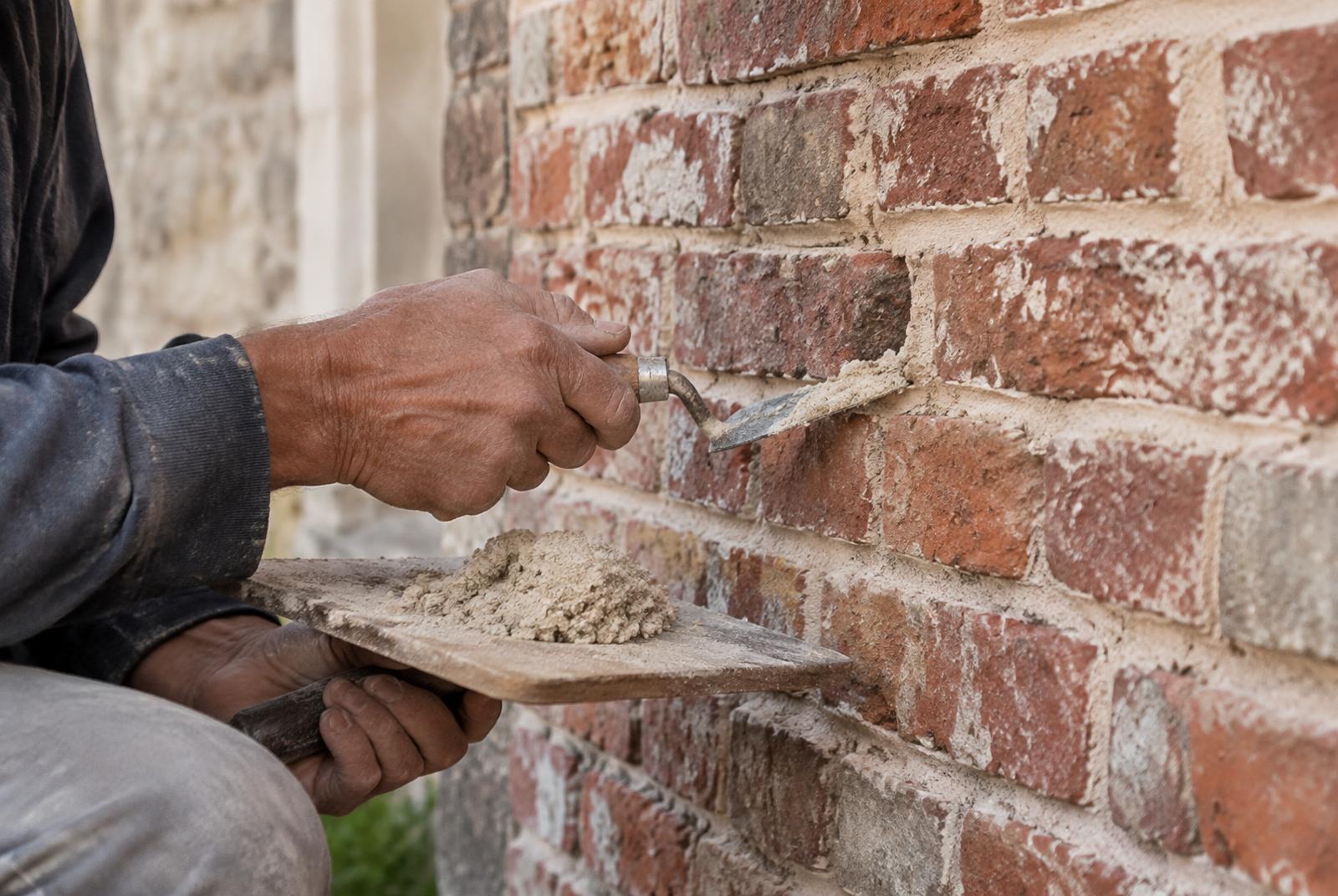
What mortar mix was used on the east chimney repointing?
A lime-based mortar matched to the original, specified by the preservation consultant and applied by the mason in September 2025. The specification sheet and the mason's invoice are both on file.
Cited records · Project specification, vendor invoice
Ask the question. See the evidence.
Ask the house what was done to it.
Ask a plain question and get an answer drawn from the property record, with the sources cited. Answers are limited to what the person asking is permitted to see, and Wrenmont says so when the record is incomplete.
Personal on-site onboarding
We come to the house.
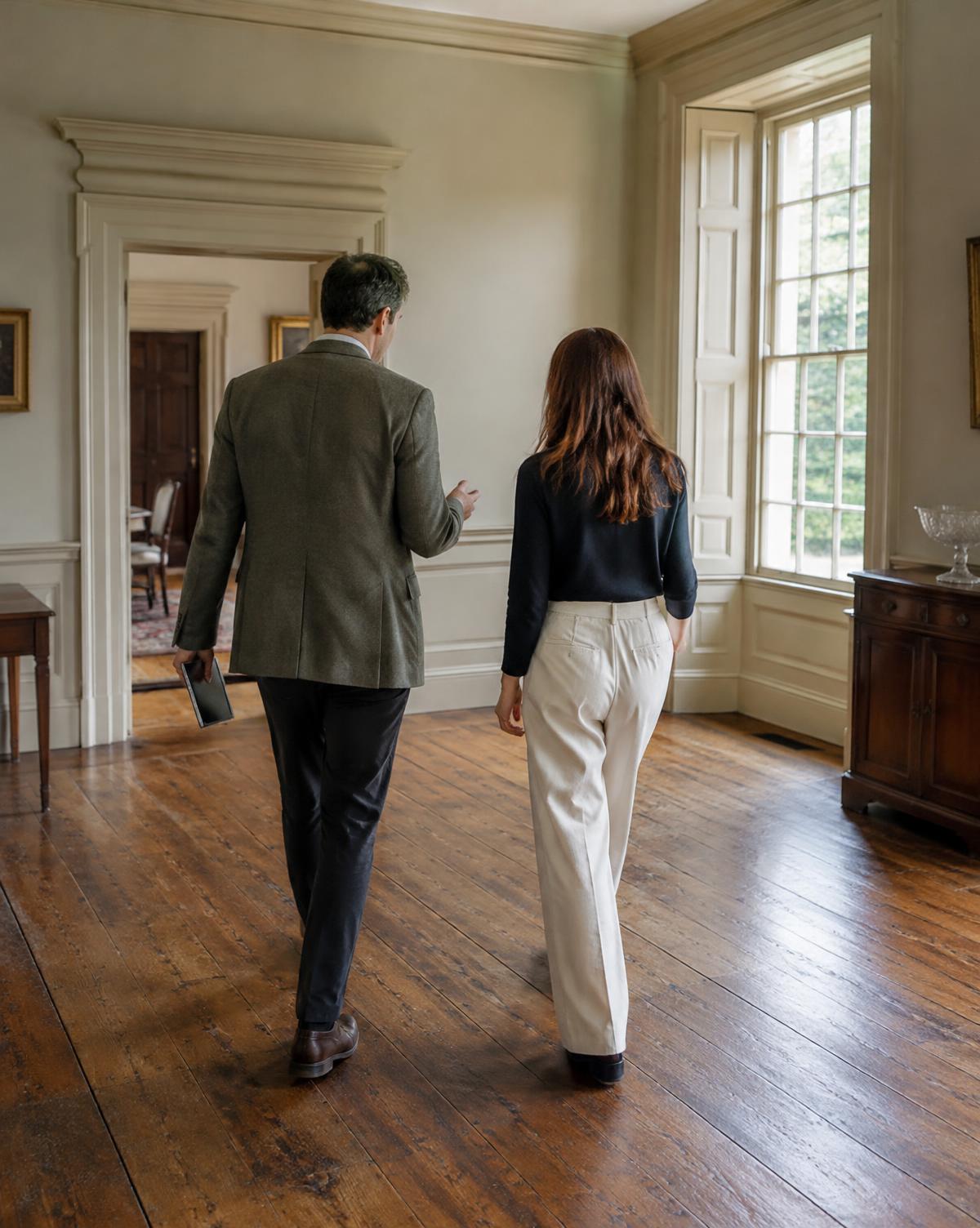
Historic homes are best understood in person. We visit the property, walk it with the people who know it, and help organize the records, drawings, and history you already have, so the record starts real rather than empty.
Wrenmont does not replace the preservation consultants, architects, craftspeople, or advisors who care for a historic property. It gives them a shared, better-informed record to work from.
Private introduction
Start with the house you know best.
Tell us about the property and the history worth preserving. We review every request personally.